Endophytic fungi: Nature's hidden vault of biomolecules
DOI:
https://doi.org/10.14719/tcb.9453Keywords:
bioactivity, biosynthetic gene clusters, co-culture, endophytes, fungal endophytes, plant-endophyte interationsAbstract
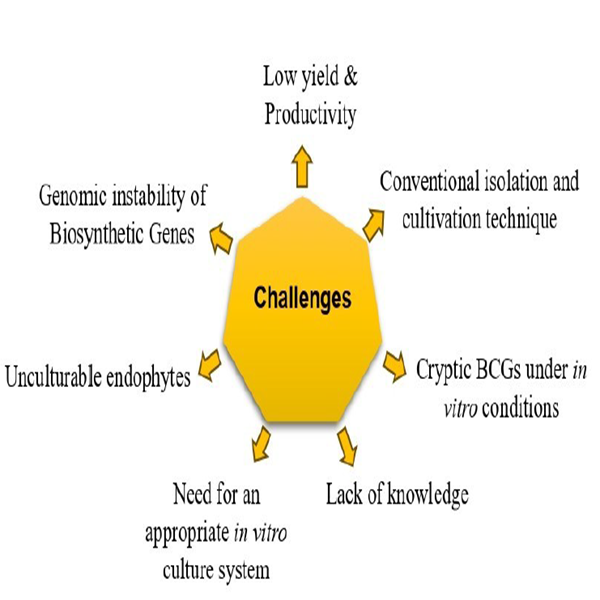
The alarming rise of antibiotic-resistant bacteria has emerged as a major global health concern, intensifying the urgent need for novel bioactive compounds from natural sources. In recent years, scientific interest in endophytic fungi, which reside asymptomatically within plant tissues, has grown substantially. These microorganisms have demonstrated the capacity to produce a diverse range of bioactive secondary metabolites, exhibiting anticancer, antimicrobial, antiviral and anti-inflammatory properties. The metabolites exhibit antibacterial activity by disrupting membranes and interfering with essential cellular processes like protein and nucleic acid synthesis. Such compounds hold immense promise for both drug discovery and the development of agricultural biocontrol agents. The role of fungal endophytes in pharmaceutical innovation is becoming increasingly apparent. The unique microenvironment within plant hosts, coupled with the genetic diversity of endophytic fungi, fosters the biosynthesis of structurally novel and biologically potent molecules. However, harnessing this potential is not without challenges. Difficulties in isolating, culturing and characterising endophytic fungi and their metabolites continue to impede progress. Artificial intelligence, omics technologies, and metabolic engineering could be integrated into future research to improve the sustainable production and therapeutic utilisation of endophytic fungal metabolites. This review highlights recent advances in the discovery and characterisation of novel compounds from endophytic fungi, while also addressing ongoing challenges in understanding endophyte biology and optimising metabolite production.
Downloads
References
Wu B, Hussain M, Zhang W, Stadler M, Liu X, Xiang M. Current insights into fungal species diversity and perspective on naming the environmental DNA sequences of fungi. Mycology. 2019;10(3):127–40.https://doi.org/10.1080/21501203.2019.1614106
Devari S, Jaglan S, Kumar M, Deshidi R, Guru S, Bhushan S, et al. Capsaicin production by Alternaria alternata, an endophytic fungus from Capsicum annuum; LC-ESI-MS/MS analysis. Phytochemistry. 2014;98:183–9.https://doi.org/10.1016/j.phytochem.2013.12.001
Chithra S, Jasim B, Sachidanandan P, Jyothis M, Radhakrishnan EK. Piperine production by endophytic fungus Colletotrichum gloeosporioides isolated from Piper nigrum. Phytomedicine. 2014;21(4):534-40.https://doi.org/10.1016/j.phymed.2013.10.020
Kusari S, Verma VC, Lamshöft M, Spiteller M. An endophytic fungus from Azadirachta indica A. Juss. that produces azadirachtin. World J Microbiol Biotechnol. 2012;28(3):1287–94. https://doi.org/10.1007/s11274-011-0876-2
Stierle A, Strobel G, Stierle D. Taxol and taxane production by Taxomyces andreanae, an endophytic fungus of Pacific yew. Science. 1993;260(5105):214–6. https://doi.org/10.1126/science.8097061
Zhang HW, Song YC, Tan RX. Biology and chemistry of endophytes. Nat Prod Rep. 2006;23(5):753-71.https://doi.org/10.1039/b609472b
Singh SB, Ondeyka JG, Jayasuriya H, Zink DL, Ha SN, Dahl-Roshak A, et al. Nodulisporic acids D-F: structure, biological activities, and biogenetic relationships. J Nat Prod. 2004;67(9):1496–506. https://doi.org/10.1021/np0498455
Jeschke R, Iinuma K, Harder A, Schindler M, Murakami T. Influence of the cyclooctadepsipeptides PF1022A and PF1022E as natural products on the design of semi-synthetic anthelmintics such as emodepside. Parasitol Res. 2005;97(Suppl 1):S11–6. https://doi.org/10.1007/s00436-005-1439-y
Birat K, Binsuwaidan R, Siddiqi TO, Mir SR, Alshammari N, Adnan M, et al. Report on vincristine-producing endophytic fungus Nigrospora zimmermanii from leaves of Catharanthus roseus. Metabolites. 2022;12(11):1119. https://doi.org/10.3390/metabo12111119
Liu S, Mao Y, Lu H, Zhao Y, Bilal M, Proksch P, et al. Two new torrubiellin derivatives from the mangrove endophytic fungus Parengyodontium album. Phytochem Lett. 2021;46:149–52. https://doi.org/10.1016/j.phytol.2021.10.008
Cai G, Hu X, Zhang R, Wang J, Fang X, Pang X, et al. Subplenones A-J: dimeric xanthones with antibacterial activity from the endophytic fungus Subplenodomus sp. CPCC 401465. J Nat Prod. 2023;86(11):2474-86. https://doi.org/10.1021/acs.jnatprod.3c00628
Jiang Z, Wu P, Li H, Xue J, Wei X. Pestalotinones A-D, new benzophenone antibiotics from endophytic fungus Pestalotiopsis trachicarpicola SC-J551. J Antibiot (Tokyo). 2022;75(4):207–12. https://doi.org/10.1038/s41429-022-00510-0
Rukachaisirikul V, Buadam S, Sukpondma Y, Phongpaichit S, Sakayaroj J, Hutadilok-Towatana N. Indanone and mellein derivatives from the Garcinia-derived fungus Xylaria sp. PSU-G12. Phytochem Lett. 2013;6(1):135–8. https://doi.org/10.1016/j.phytol.2012.11.007
Cao LL, Zhang YY, Liu YJ, Yang TT, Zhang JL, Zhang ZG, et al. Anti-phytopathogenic activity of sporothriolide, a metabolite from endophyte Nodulisporium sp. A21 in Ginkgo biloba. Pest Biochem Physiol. 2016;129:7–13. https://doi.org/10.1016/j.pestbp.2015.10.002
Schulz B, Boyle C, Draeger S, Römmert AK, Krohn K. Endophytic fungi: a source of novel biologically active secondary metabolites. Mycol Res. 2002;106(9):996–1004. https://doi.org/10.1017/S0953756202006342
Omomowo IO, Amao JA, Abubakar A, Ogundola AF, Ezediuno LO, Bamigboye CO. A review on the trends of endophytic fungi bioactivities. Sci Afr. 2023;20:e01594. https://doi.org/10.1016/j.sciaf.2023.e01594
Manganyi MC, Ateba CN. Untapped potentials of endophytic fungi: a review of novel bioactive compounds with biological applications. Microorganisms. 2020;8(12):1934. https://doi.org/10.3390/microorganisms8121934
Rodriguez RJ, White JF Jr, Arnold AE, Redman RS. Fungal endophytes: diversity and functional roles. New Phytol. 2009;182(2):314–30. https://doi.org/10.1111/j.1469-8137.2009.02773.x
Wani ZA, Ashraf N, Mohiuddin T, Riyaz-Ul-Hassan S. Plant-endophyte symbiosis, an ecological perspective. Appl Microbiol Biotechnol. 2015;99(7):2955–65. https://doi.org/10.1007/s00253-015-6487-3
Jia M, Chen L, Xin HL, Zheng CJ, Rahman K, Han T, et al. A friendly relationship between endophytic fungi and medicinal plants: a systematic review. Front Microbiol. 2016;7:906. https://doi.org/10.3389/fmicb.2016.00906
Alam B, Li J, Ge Q, Khan MA, Gong J, Mehmood S, et al. Endophytic fungi: from symbiosis to secondary metabolite communications or vice versa? Front Plant Sci. 2021;12:791033. https://doi.org/10.3389/fpls.2021.791033
Mishra S, Bhattacharjee A, Sharma S. An ecological insight into the multifaceted world of plant-endophyte association. Crit Rev Plant Sci. 2021;40(2):127–46. https://doi.org/10.1080/07352689.2021.1901044
Kuldau GR, Bacon C. Clavicipitaceous endophytes: their ability to enhance resistance of grasses to multiple stresses. Biol Control. 2008;46(1):57–71. https://doi.org/10.1016/j.biocontrol.2008.01.023
Ogbe AA, Finnie JF, Van Staden J. The role of endophytes in secondary metabolites accumulation in medicinal plants under abiotic stress. S Afr J Bot. 2020;134:126–34. https://doi.org/10.1016/j.sajb.2020.06.023
Hyde KD, Soytong K. The fungal endophyte dilemma. Fungal Divers. 2008;33:163–73.
Verma A, Shameem N, Jatav HS, Sathyanarayana E, Parray JA, Poczai P, et al. Fungal endophytes to combat biotic and abiotic stresses for climate-smart and sustainable agriculture. Front Plant Sci. 2022;13:953836.https://doi.org/10.3389/fpls.2022.953836
Qu P, Zhang Z, Li R, Liu R, Zhang Y, Cheng C. Insights into the rooting and growth-promoting effects of endophytic fungus Serendipita indica in blueberry (Vaccinium corymbosum). J Plant Growth Regul. 2025;44(5):2235–46.https://doi.org/10.1007/s00344-024-11540-3
Priyadharsini P, Muthukumar T. The root endophytic fungus Curvularia geniculata from Parthenium hysterophorus roots improves plant growth through phosphate solubilisation and phytohormone production. Fungal Ecol. 2017;27:69–77. https://doi.org/10.1016/j.funeco.2017.02.007
Jan FG, Hamayun M, Hussain A, Jan G, Ali S, et al. Endophytic Candida membranifaciens from Euphorbia milii L. alleviates salt stress damage in maize. Agronomy. 2022;12(10):2263. https://doi.org/10.3390/agronomy12102263
Seema N, Hamayun M, Hussain A, Shah M, Irshad M, Qadir M, et al. Endophytic Fusarium proliferatum reprogrammed phytohormone production and antioxidant system of Oryza sativa under drought stress. Agronomy. 2023;13(3):873. https://doi.org/10.3390/agronomy13030873
Sodhi GK, Saxena S. Promising drought and salinity tolerance features of Nigrospora species existing as endophytes in Oryza sativa. 3 Biotech. 2023;13(8):262. https://doi.org/10.1007/s13205-023-03679-9
You XX, Li XG, Zhang XK, Gu W, Chen D, He S, et al. Arsenic stress resistance in the endophytic fungus Cladosporium cladosporioides: physiological and transcriptomic insights into heavy metal detoxification. J Fungi (Basel). 2025;11(5):374. https://doi.org/10.3390/jof11050374
El Enshasy HA, Ambehabati KK, El Baz AF, Ramchuran S, Sayyed RZ, Amalin D, et al. Trichoderma: biocontrol agents for promoting plant growth and soil health. In: Amaresan N, Sankaranarayanan A, Dwivedi MK, Kumar MS, editors. Agriculturally Important Fungi for Sustainable Agriculture. Vol. 2. Functional Annotation for Crop Protection. Cham: Springer; 2020. p. 239–59. https://doi.org/10.1007/978-3-030-48474-3_8
Dubey A, Malla MA, Kumar A, Dayanandan S, Khan ML. Plant endophytes: unveiling hidden agenda for bioprospecting toward sustainable agriculture. Crit Rev Biotechnol. 2020;40(8):1210–31.https://doi.org/10.1080/07388551.2020.1808584
Singh N, Singh A, Dahiya P. Plant growth-promoting endophytic fungi from different habitats and their potential applications in agriculture. In: Yadav AN, Singh S, Mishra S, Gupta A, editors. Recent Trends in Mycological Research. Vol. 1. Agricultural and Medical Perspective. Cham: Springer; 2021. p. 69–87.https://doi.org/10.1007/978-3-030-60659-6_3
Parvathi Rajeevan AA, Nair GP, Sugathan S. The role of endophytic fungi on orchid sustainability.
Strobel G, Daisy B. Bioprospecting for microbial endophytes and their natural products. Microbiol Mol Biol Rev. 2003;67(4):491-502.https://doi.org/10.1128/MMBR.67.4.491-502.2003
Khan AL, Hussain J, Al-Harrasi A, Al-Rawahi A, Lee IJ. Endophytic fungi: resource for gibberellins and crop abiotic stress resistance. Crit Rev Biotechnol. 2015;35(1):62–74. https://doi.org/10.3109/07388551.2013.800018
Hardoim PR, van Overbeek LS, van Elsas JD. Properties of bacterial endophytes and their proposed role in plant growth. Trends Microbiol. 2008;16(10):463–71. https://doi.org/10.1016/j.tim.2008.07.008
Schulz B, Boyle C. The endophytic continuum. Mycol Res. 2005;109(6):661–86. https://doi.org/10.1017/S095375620500273X
Saikkonen K, Wäli P, Helander M, Faeth SH. Evolution of endophyte-plant symbioses. Trends Plant Sci. 2004;9(6):275–80.https://doi.org/10.1016/j.tplants.2004.04.005
Kumar A, Droby S, Singh VK, Singh SK, White JF. Entry, colonisation, and distribution of endophytic microorganisms in plants. In: Kumar A, White JF, editors. Microbial Endophytes. Cambridge (MA): Woodhead Publishing; 2020. p. 1–33. https://doi.org/10.1016/B978-0-12-819654-0.00001-6
Gao Y, Xu Y, Dong Z, Guo Y, Luo J, Wang F, et al. Endophytic fungal diversity and its interaction mechanism with medicinal plants. Molecules. 2025;30(5):1028. https://doi.org/10.3390/molecules30051028
Mitter B, Brader G, Pfaffenbichler N, Sessitsch A. Next generation microbiome applications for crop production-limitations and the need of knowledge-based solutions. Curr Opin Microbiol. 2019;49:59–65.https://doi.org/10.1016/j.mib.2019.10.006
Gill SS, Gill R, Trivedi DK, Anjum NA, Sharma KK, Ansari MW, et al. Piriformospora indica: potential and significance in plant stress tolerance. Front Microbiol. 2016;7:332. https://doi.org/10.3389/fmicb.2016.00332
Stierle A, Strobel G, Stierle D, Grothaus P, Bignami G. The search for a taxol-producing microorganism among the endophytic fungi of the Pacific yew, Taxus brevifolia. J Nat Prod. 1995;58(9):1315–24.https://doi.org/10.1021/np50123a002
Stadler M, Kola?ík M. Taxol is NOT produced sustainably by endophytic fungi! A case study for the damage that scientific papermills can cause for the scientific communities. Fungal Biol Rev. 2024;49:100367.https://doi.org/10.1016/j.fbr.2024.100367
Cheng T, Kola?ík M, Quijada L, Stadler M. A re-assessment of Taxomyces andreanae, the alleged taxol-producing fungus, using comparative genomics. IMA Fungus. 2022;13(1):17. https://doi.org/10.1186/s43008-022-00103–4
Heinig U, Scholz S, Jennewein S. Getting to the bottom of Taxol biosynthesis by fungi. Fungal Divers. 2013;60(1):161–70.https://doi.org/10.1007/s13225-013-0228-7
Zeilinger S, García-Estrada C, Martín JF. Fungal secondary metabolites in the "OMICS" era. In: Martín JF, García-Estrada C, Zeilinger S, editors. Biosynthesis and Molecular Genetics of Fungal Secondary Metabolites. Vol. 2. New York (NY): Springer; 2015. p. 1–12. https://doi.org/10.1007/978-1-4939-2531-5_1
Eshboev F, Mamadalieva N, Nazarov PA, Hussain H, Katanaev V, Egamberdieva D, et al. Antimicrobial action mechanisms of natural compounds isolated from endophytic microorganisms. Antibiotics (Basel). 2024;13(3):271.https://doi.org/10.3390/antibiotics13030271
Ancheeva E, Daletos G, Proksch P. Bioactive secondary metabolites from endophytic fungi. Curr Med Chem. 2020;27(11):1836–54. https://doi.org/10.2174/0929867326666190916144709
Venugopalan A, Srivastava S. Endophytes as in vitro production platforms of high value plant secondary metabolites. Biotechnol Adv. 2015;33(6):873–87. https://doi.org/10.1016/j.biotechadv.2015.07.004
Sahu PK, Tilgam J, Mishra S, Hamid S, Gupta A, K J, et al. Surface sterilisation for isolation of endophytes: ensuring what (not) to grow. J Basic Microbiol. 2022;62(6):647–68. https://doi.org/10.1002/jobm.202100462
Schulz B, Boyle C. The endophytic continuum. Mycol Res. 2005;109(6):661–86. https://doi.org/10.1017/S095375620500273X
Prior R, Görges K, Yurkov A, Begerow D. New isolation method for endophytes based on enzyme digestion. Mycol Prog. 2014;13(3):849–56.https://doi.org/10.1007/s11557-014-0968-0
Maiden MCJ, van Rensburg MJJ, Bray JE, Earle SG, Ford SA, Jolley KA, et al. MLST revisited: the gene-by-gene approach to bacterial genomics. Nat Rev Microbiol. 2013;11(10):728–36.https://doi.org/10.1038/nrmicro3093
Nilsson RH, Kristiansson E, Ryberg M, Hallenberg N, Larsson KH. Intraspecific ITS variability in the kingdom Fungi as expressed in the international sequence databases and its implications for molecular species identification. Evol Bioinform Online. 2008;4:193–201. https://doi.org/10.4137/EBO.S653
Zhang Q, Xue XZ, Miao SM, Cui JL, Qin XM. Differential relationship of fungal endophytic communities and metabolic profiling in the stems and roots of Ephedra sinica based on metagenomics and metabolomics. Symbiosis. 2020;81(2):115–25. https://doi.org/10.1007/s13199-020-00685-w
Tan RX, Zou WX. Endophytes: a rich source of functional metabolites. Nat Prod Rep. 2001;18(4):448–59. https://doi.org/10.1039/b100918o
Mohinudeen K, Devan K, Srivastava S. Bioprocessing of endophytes for production of high-value biochemicals. In: Singh HB, Keswani C, Reddy MS, editors. Secondary Metabolites of Plant Growth Promoting Rhizomicroorganisms: Discovery and Applications. Singapore: Springer; 2019. p. 353–90. https://doi.org/10.1007/978-981-13-5862-3_17
Vasundhara M, Kumar A, Reddy MS. Molecular approaches to screen bioactive compounds from endophytic fungi. Front Microbiol. 2016;7:1774. https://doi.org/10.3389/fmicb.2016.01774
Ming Q, Huang X, He Y, Qin L, Tang Y, Liu Y, et al. Genome mining and screening for secondary metabolite production in the endophytic fungus Dactylonectria alcacerensis CT-6. Microorganisms. 2023;11(4):968. https://doi.org/10.3390/microorganisms11040968
Rutledge PJ, Challis GL. Discovery of microbial natural products by activation of silent biosynthetic gene clusters. Nat Rev Microbiol. 2015;13(8):509–23. https://doi.org/10.1038/nrmicro3496
Keller NP. Fungal secondary metabolism: regulation, function and drug discovery. Nat Rev Microbiol. 2019;17(3):167–80. https://doi.org/10.1038/s41579-018-0121-1
Mishra S, Sahu PK, Agarwal V, Singh N. Exploiting endophytic microbes as micro-factories for plant secondary metabolite production. Appl Microbiol Biotechnol. 2021;105(18):6579–96. https://doi.org/10.1007/s00253-021-11527-0
Patil RH, Patil MP, Maheshwari VL. Bioactive secondary metabolites from endophytic fungi: a review of biotechnological production and their potential applications. Stud Nat Prod Chem. 2016;49:189–205.https://doi.org/10.1016/B978-0-444-63601-0.00005-3
Muazzam KA, Darah I. Anti-MRSA activity of ethyl acetate crude extract from endophytic fungus Ceratobasidium ramicola IBRLCM127 isolated from rhizome of Curcuma mangga Valeton & Zijp. IOP Conf Ser Earth Environ Sci. 2021;756(1):012040. https://doi.org/10.1088/1755-1315/756/1/012040
Antoine AA, Jacqueline D, Thonart P. Xylanase production by Penicillium canescens on soya oil cake in solid-state fermentation. Appl Biochem Biotechnol. 2010;160(1):50–62. https://doi.org/10.1007/s12010-008-8496-5
Try S, Voilley A, Chunhieng T, De-Coninck J, Waché Y. Aroma compounds production by solid-state fermentation: importance of in situ gas-phase recovery systems. Appl Microbiol Biotechnol. 2018;102(17):7239–55.https://doi.org/10.1007/s00253-018-9157-4
Li T, Liang Y, Wen W, Dong H, Fan W, Dong L, et al. Sweet flavor compounds produced by the endophytic fungus Talaromyces funiculosus. Food Sci Biotechnol. 2025;34(3):677–85. https://doi.org/10.1007/s10068-024-01694-x
Pandey A, Soccol CR, Mitchell D. New developments in solid state fermentation: I. Bioprocesses and products. Process Biochem. 2000;35(10):1153–69. https://doi.org/10.1016/S0032-9592(00)00152-7
Berry DF, Tomkinson RA, Hetzel GH, Mullins DE, Young RW. Evaluation of solid-state fermentation techniques to dispose of atrazine and carbofuran. J Environ Qual. 1993;22(2):331–4. https://doi.org/10.2134/jeq1993.00472425002200020018x
Pandey A, Selvakumar P, Soccol CR, Nigam P. Solid state fermentation for the production of industrial enzymes. Curr Sci. 1999;77(1):149–62.
Sadh PK, Duhan S, Duhan JS. Agro-industrial wastes and their utilisation using solid state fermentation: a review. Bioresour Bioprocess. 2018;5(1):1.https://doi.org/10.1186/s40643-017-0187-z
Kumar V, Ahluwalia V, Saran S, Kumar J, Patel AK, Singhania RR. Recent developments on solid-state fermentation for production of microbial secondary metabolites: challenges and solutions. Bioresour Technol. 2021;323:124566. https://doi.org/10.1016/j.biortech.2020.124566
Pu X, Qu X, Chen F, Bao J, Zhang G, Luo Y. Camptothecin-producing endophytic fungus Trichoderma atroviride LY357: isolation, identification, and fermentation conditions optimisation for camptothecin production. Appl Microbiol Biotechnol. 2013;97(21):9365–75. https://doi.org/10.1007/s00253-013-5163-8
Zhao XM, Wang ZQ, Shu SH, Wang WJ, Xu HJ, Ahn YJ, et al. Ethanol and methanol can improve huperzine A production from endophytic Colletotrichum gloeosporioides ES026. PLoS One. 2013;8(4):e61777.https://doi.org/10.1371/journal.pone.0061777
Yang XL, Huang L, Ruan XL. Epigenetic modifiers alter the secondary metabolite composition of a plant endophytic fungus, Pestalotiopsis crassiuscula obtained from the leaves of Fragaria chiloensis. J Asian Nat Prod Res. 2014;16(4):412–7.https://doi.org/10.1080/10286020.2014.881356
Ramesha KP, Chandra Mohana N, Chandra Nayaka S, Satish S. Epigenetic modifiers revamp secondary metabolite production in endophytic Nigrospora sphaerica. Front Microbiol. 2021;12:730355.https://doi.org/10.3389/fmicb.2021.730355
Guo L, Xi B, Lu L. Strategies to enhance production of metabolites in microbial co-culture systems. Bioresour Technol. 2024;406:131049.https://doi.org/10.1016/j.biortech.2024.131049
Wu J, Ye J, Cen J, Chen Y, Xu J. Induction of three new secondary metabolites by the co-culture of endophytic fungi Phomopsis asparagi DHS-48 and Phomopsis sp. DHS-11 isolated from the Chinese mangrove plant Rhizophora mangle. Mar Drugs. 2024;22(8):332. https://doi.org/10.3390/md22080332
Akone SH, Mándi A, Kurtán T, Hartmann R, Lin W, Daletos G, et al. Inducing secondary metabolite production by the endophytic fungus Chaetomium sp. through fungal-bacterial co-culture and epigenetic modification. Tetrahedron. 2016;72(41):6340–7. https://doi.org/10.1016/j.tet.2016.08.022
Ola AR, Thomy D, Lai D, Brötz-Oesterhelt H, Proksch P. Inducing secondary metabolite production by the endophytic fungus Fusarium tricinctum through coculture with Bacillus subtilis. J Nat Prod. 2013;76(11):2094–9.https://doi.org/10.1021/np400589h
Shen X, Lei C, Zhang A, Wang L, Chen D, Qi L, et al. Stimulating novel and bioactive metabolite production by cocultivation of two fungi, Aspergillus oryzae and Epicoccum dendrobii. J Agric Food Chem. 2024;72(30):16825–34.https://doi.org/10.1021/acs.jafc.4c04764
Combès A, Ndoye I, Bance C, Bruzaud J, Djediat C, Dupont J, et al. Chemical communication between the endophytic fungus Paraconiothyrium variabile and the phytopathogen Fusarium oxysporum. PLoS One. 2012;7(10):e47313.https://doi.org/10.1371/journal.pone.0047313
Bode HB, Bethe B, Höfs R, Zeeck A. Big effects from small changes: possible ways to explore nature's chemical diversity. ChemBioChem. 2002;3(7):619–27. https://doi.org/10.1002/1439-7633(20020703)3:7<619::AID-CBIC619>3.0.CO;2-9
Hewage RT, Aree T, Mahidol C, Ruchirawat S, Kittakoop P. One strain-many compounds (OSMAC) method for production of polyketides, azaphilones, and an isochromanone using the endophytic fungus Dothideomycete sp. Phytochemistry. 2014;108:87–94.https://doi.org/10.1016/j.phytochem.2014.09.013
Chen Y, Yang W, Zou G, Wang G, Kang W, Yuan J, et al. Cytotoxic bromine- and iodine-containing cytochalasins produced by the mangrove endophytic fungus Phomopsis sp. QYM-13 using the OSMAC approach. J Nat Prod. 2022;85(5):1229–38. https://doi.org/10.1021/acs.jnatprod.1c01115
Ademakinwa AN, Ayinla ZA, Agboola FK. Strain improvement and statistical optimisation as a combined strategy for improving fructosyltransferase production by Aureobasidium pullulans NAC8. J Genet Eng Biotechnol. 2017;15(2):345–58.https://doi.org/10.1016/j.jgeb.2017.06.012
El-Sayed ER. Discovery of the anticancer drug vinblastine from the endophytic Alternaria alternata and yield improvement by gamma irradiation mutagenesis. J Appl Microbiol. 2021;131(6):2886–98.https://doi.org/10.1111/jam.15169
Leal K, Rojas E, Madariaga D, Contreras MJ, Nuñez-Montero K, Barrientos L, et al. Unlocking fungal potential: the CRISPR-Cas system as a strategy for secondary metabolite discovery. J Fungi (Basel). 2024;10(11):748. https://doi.org/10.3390/jof10110748
Huang PW, Yang Q, Zhu YL, Zhou J, Sun K, Mei YZ, et al. The construction of CRISPR-Cas9 system for endophytic Phomopsis liquidambaris and its PmkkA-deficient mutant revealing the effect on rice. Fungal Genet Biol. 2020;136:103301. https://doi.org/10.1016/j.fgb.2019.103301
Dwibedi V, Saxena S. Effect of precursor feeding, dietary supplementation, chemical elicitors and co-culturing on resveratrol production by Arcopilus aureus. Prep Biochem Biotechnol. 2022;52(4):404–12.https://doi.org/10.1080/10826068.2021.1955709
Fu JX, Jiao J, Gai QY, Fu YJ, Gao J, Zhang ZY, et al. Enhanced production of health-promoting phenolic compounds using a novel endophytic fungus Talaromyces neorugulosus R-209 isolated from pigeon pea in a natural habitat by L-phenylalanine feeding. World J Microbiol Biotechnol. 2024;40(10):317. https://doi.org/10.1007/s11274-024-04122-8
Shao Y, Bai Y, Cai Z, Pu N, Zhang H. Optimization of stationary liquid fermentation conditions for N-methylsansalvamide production by the endophytic strain Fusarium sp. R1. Fermentation. 2024;10(3):140. https://doi.org/10.3390/fermentation10030140
Rezazadeh H, Ghanati F, Bonfill M, Nasibi F, Mohammadi Ballakuti N. Enhancement of paclitaxel production by Neopestalotiopsis vitis via optimisation of growth conditions. PLoS One. 2024;19(10):e0309325. https://doi.org/10.1371/journal.pone.0309325
Aghdam SA, Brown AM. Deep learning approaches for natural product discovery from plant endophytic microbiomes. Environ Microbiome. 2021;16(1):6. https://doi.org/10.1186/s40793-021-00375-0
Li H, Dou M, Wang X, Guo N, Kou P, Jiao J, et al. Optimization of cellulase production by a novel endophytic fungus Penicillium oxalicum R4 isolated from Taxus cuspidata. Sustainability. 2021;13(11):6006.https://doi.org/10.3390/su13116006
Downloads
Published
Issue
Section
License
Copyright (c) 2026 Anjitha Suman, Shiburaj Sugathan

This work is licensed under a Creative Commons Attribution 4.0 International License.